Scuba Dive Notes

This weekend involved a botched "Advanced Open Water" course. This post is a set of notes about things I ought to remember at all times, learned from various expert divers I've encountered the past couple of days and through new discoveries I've had along the way.
- There's little point diving without the weight check being correctly tuned.
- Additionally, the closer one is to ideal weight, the broader allowances/tolerances in buoyancy management will be (i.e. an easier time).
- After entering the water, do an additional tightening of all the straps.
- After a few more minutes in the water, do yet another additional tightening of all the straps.
- The thing I've been told on a few occasions, or so the impression goes - is to empty the BCD fully to descend. Well, I've always hated that. In fact, it's a better idea to avoid full deflation. Deflate enough to slowly descend, manage a reasonable "gotta equalize" rate, and find neutral soon. Let empty lungs be the negative buoyancy tool instead of the pure weights. This is probably best time to do "full inhale/exhale" – to feel for whatever buoyancy adjustments one needs in order to hit that "neutral buoyancy" zone before reaching target depth or some kind of horrible silty bottom.
- When ascent/decent rates are "too fast" for any reason, remember to flatten out like a star and/or parachute jumper to resist the flow more. This "breaking" pose is handy to remember. In contrast, an "upright pencil" pose will offer practically no "breaking" resistance.
- Instead of literally "breathing normally" with full breathes like taught during my Open Water training, focus, and use half-sized breathes to tighten up buoyancy management. This is flexible. Quarter breathes. Third breathes. Lower-bound empty, play with bottom half and stay towards negative. Upper-bound full and play with top half to stay towards positive. Maybe land somewhere in an optimal middle +/- a quarter breathe above and below.
- BCDs can and will get water inside of them.
- It's rather annoying to lose track of my inflator hose's position. Mine tends to stay front and center at my chest when I don't feel it at my shoulder strap for whatever reason, at least. Same with my second stage regulator, especially after a "casual sweep" turns up empty.
- It's definitely easier to set and keep a heading and its reciprocal using my dive computer than fiddling with an analog compass's dials.
- The "yoga float" pose takes lots of practice to master in terms of keeping stable w/o tilting or spinning too much. It's actually a show-off level skill, apparently. XD
- Full mask clearing certainly takes more practice. I was mildly annoyed by a small puddle being leftover in my clearing attempts. Maybe I need to look "up" even more.
- The MacGuyver'd glasses insert were abysmal for visibility. Because of magnification in water due to the index of refraction effect, I'm far better off using contact lenses or a prescription-lens dive mask.
- To my surprise, my old contacts were still viable today. I wonder just how long they'll keep going for.
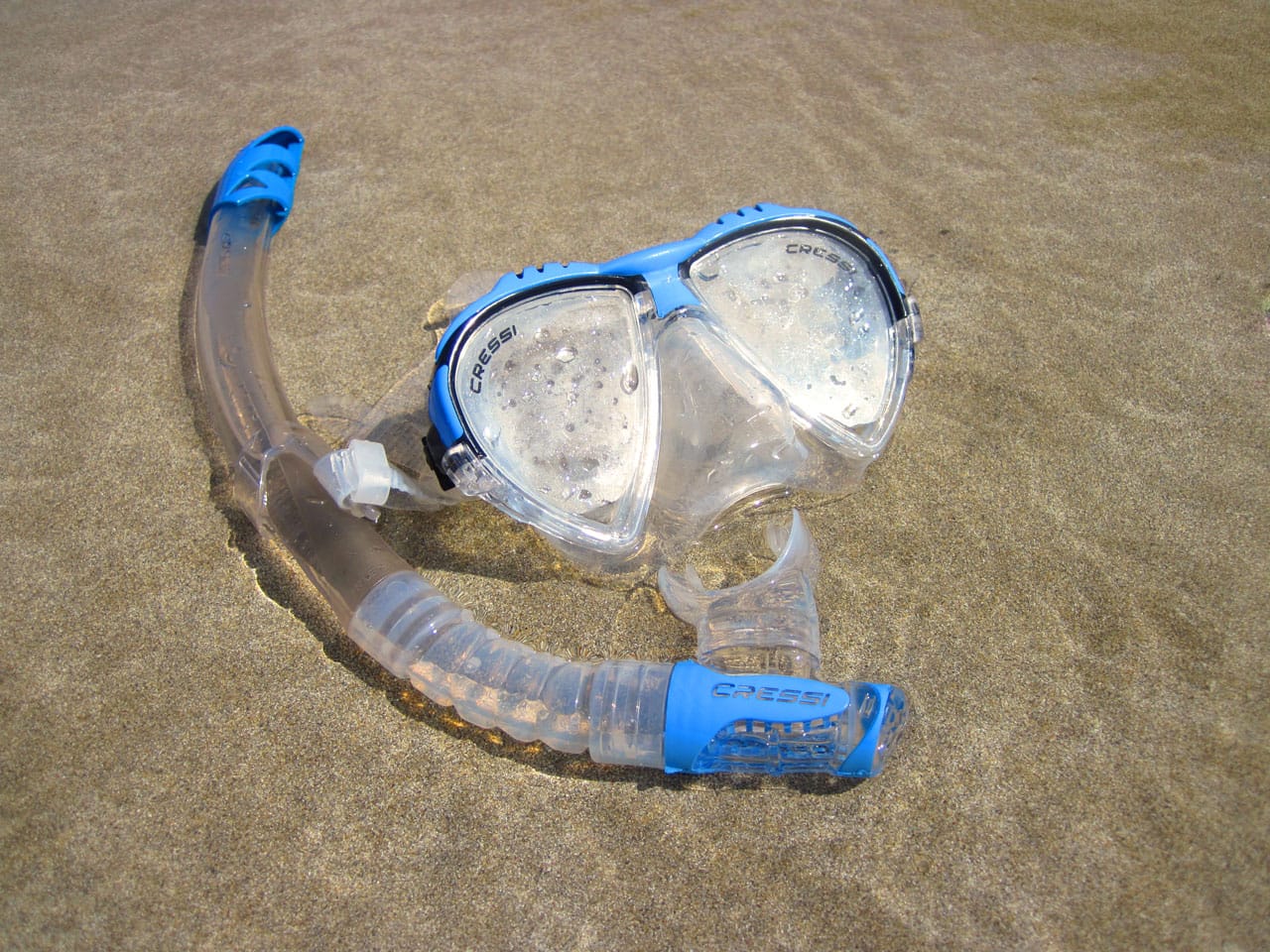
- Zip-ties are the underwater world's equivalent of duct-tape. They just hold everything together nicely – especially snorkels to masks – those damn "clips" from the factory are highly prone to all kinds of disconnecting, breaking, etc. It's optimally safer to just zip-tie snorkels to masks.
- The spring straps of my fins prefer being as high as possible up my ankle for optimal "hold/gripping". Best so set that high position right from the start. Lower positions tend to lean into "slipping off" feelings once in the water.